
garbage
Unravel the secrets of a forgotten dump – Free Browser Game
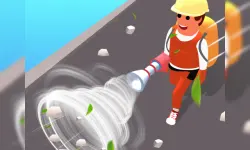
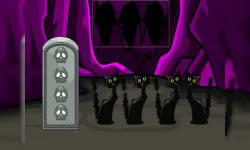
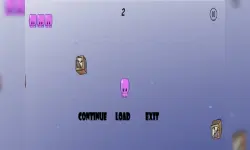
In the midst of a forgotten dump, a peculiar world unfolds, where trash and treasures blend together in a mesmerizing dance. This captivating browser game invites you to explore the unlikeliest of places, where the boundaries between filth and fascination blur. With each step, the mysteries of this discarded realm reveal themselves, beckoning you to delve deeper into the heart of the dump. Embark on a journey that defies conventions, where the ordinary becomes extraordinary, and the forgotten becomes fascinating.
F.A.Q.
Can the game run in a browser? YES
Is installation required? NO
Does it support mobile devices? YES
Can the game include audio effects? YES
Is registration necessary? NO
F.A,Q.
Can the game run in a browser? YES
Is installation required? NO
Does it support mobile devices? YES
Can the game include audio effects? YES
Is registration necessary? NO