Guess Which Game: How Visual Clues Shape a Quick Puzzle
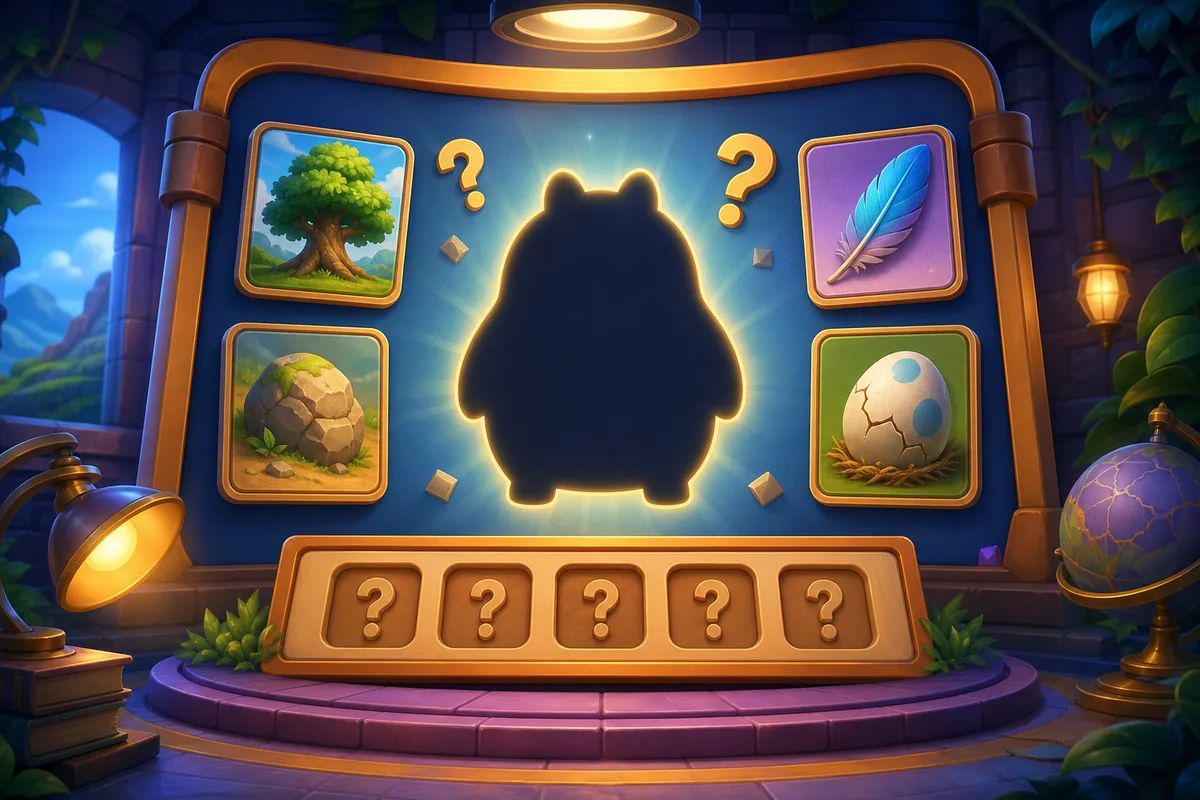
Guess Which Game begins with a compact question: how much can an image reveal before an answer is shown? This editorial article studies the visual language behind that idea rather than repeating the description on the game page. Silhouettes, isolated details, and carefully arranged alternatives can turn a simple screen into a focused observation exercise.
A Silhouette Creates the First Hypothesis
Removing surface detail places greater importance on outline, proportion, and posture. A familiar shape may suggest an answer immediately, yet a fair puzzle also leaves room for a second look. Clear space around the mystery object keeps its edge readable on both narrow and wide screens.
Clues Work Best in a Deliberate Order
A strong composition moves from broad evidence to smaller distinctions. Color, setting, and accessory shapes can each narrow the possibilities without revealing everything at once. The original hero image used here is editorial artwork, not a gameplay screenshot.
Why Restraint Matters
An overcrowded clue board weakens attention. A limited palette, stable alignment, and generous margins let each piece of evidence carry weight. The result feels quick because the screen explains its hierarchy before any text is read.
Visual Signals Worth Noticing
- The relationship between the central outline and its background.
- Repeated forms that connect clues to possible answers.
- Small differences in scale, angle, and spacing.
- Contrast strong enough to survive a mobile display.
Continue on OviGames
Open Guess Which Game on OviGames, browse its Puzzle Games category, or return to the OviGames homepage for the newest additions.
Final Observation
A guessing puzzle becomes readable when every visual choice contributes evidence. Strong silhouettes introduce the question, ordered clues refine it, and controlled spacing keeps the solution process clear.
Extended Visual Essay
The visual argument around Guess Which Game becomes clearer when A Silhouette Creates the First Hypothesis is considered at a slower pace. This observation connects the larger scene with the smaller reference points already identified in the article. The specific note “The relationship between the central outline and its background” supplies an article-based reference, so the discussion can develop from material already established rather than from an invented feature. That distinction keeps the discussion precise while allowing the image to receive a fuller critical reading.
Within Guess Which Game, the idea of Clues Work Best in a Deliberate Order deserves more than a quick glance. The composition can be read as a sequence of choices about emphasis, distance, and balance. The specific note “Repeated forms that connect clues to possible answers” supplies an article-based reference, so the discussion can develop from material already established rather than from an invented feature. That distinction keeps the discussion precise while allowing the image to receive a fuller critical reading.
A measured reading of Guess Which Game begins with the relationship described as Why Restraint Matters. The value of this detail lies in the way it organizes attention without relying on promotional claims. The specific note “Small differences in scale, angle, and spacing” supplies an article-based reference, so the discussion can develop from material already established rather than from an invented feature. That distinction keeps the discussion precise while allowing the image to receive a fuller critical reading.
The visual argument around Guess Which Game becomes clearer when Visual Signals Worth Noticing is considered at a slower pace. This observation connects the larger scene with the smaller reference points already identified in the article. The specific note “Contrast strong enough to survive a mobile display” supplies an article-based reference, so the discussion can develop from material already established rather than from an invented feature. That distinction keeps the discussion precise while allowing the image to receive a fuller critical reading.
Within Guess Which Game, the idea of Continue on OviGames deserves more than a quick glance. The composition can be read as a sequence of choices about emphasis, distance, and balance. The specific note “The relationship between the central outline and its background” supplies an article-based reference, so the discussion can develop from material already established rather than from an invented feature. That distinction keeps the discussion precise while allowing the image to receive a fuller critical reading.
A measured reading of Guess Which Game begins with the relationship described as Final Observation. The value of this detail lies in the way it organizes attention without relying on promotional claims. The specific note “Repeated forms that connect clues to possible answers” supplies an article-based reference, so the discussion can develop from material already established rather than from an invented feature. That distinction keeps the discussion precise while allowing the image to receive a fuller critical reading.
The visual argument around Guess Which Game becomes clearer when A Silhouette Creates the First Hypothesis is considered at a slower pace. This observation connects the larger scene with the smaller reference points already identified in the article. The specific note “Small differences in scale, angle, and spacing” supplies an article-based reference, so the discussion can develop from material already established rather than from an invented feature. That distinction keeps the discussion precise while allowing the image to receive a fuller critical reading.
Within Guess Which Game, the idea of Clues Work Best in a Deliberate Order deserves more than a quick glance. The composition can be read as a sequence of choices about emphasis, distance, and balance. The specific note “Contrast strong enough to survive a mobile display” supplies an article-based reference, so the discussion can develop from material already established rather than from an invented feature. That distinction keeps the discussion precise while allowing the image to receive a fuller critical reading.